Why Regular Pool Water Testing Matters More Than You Think
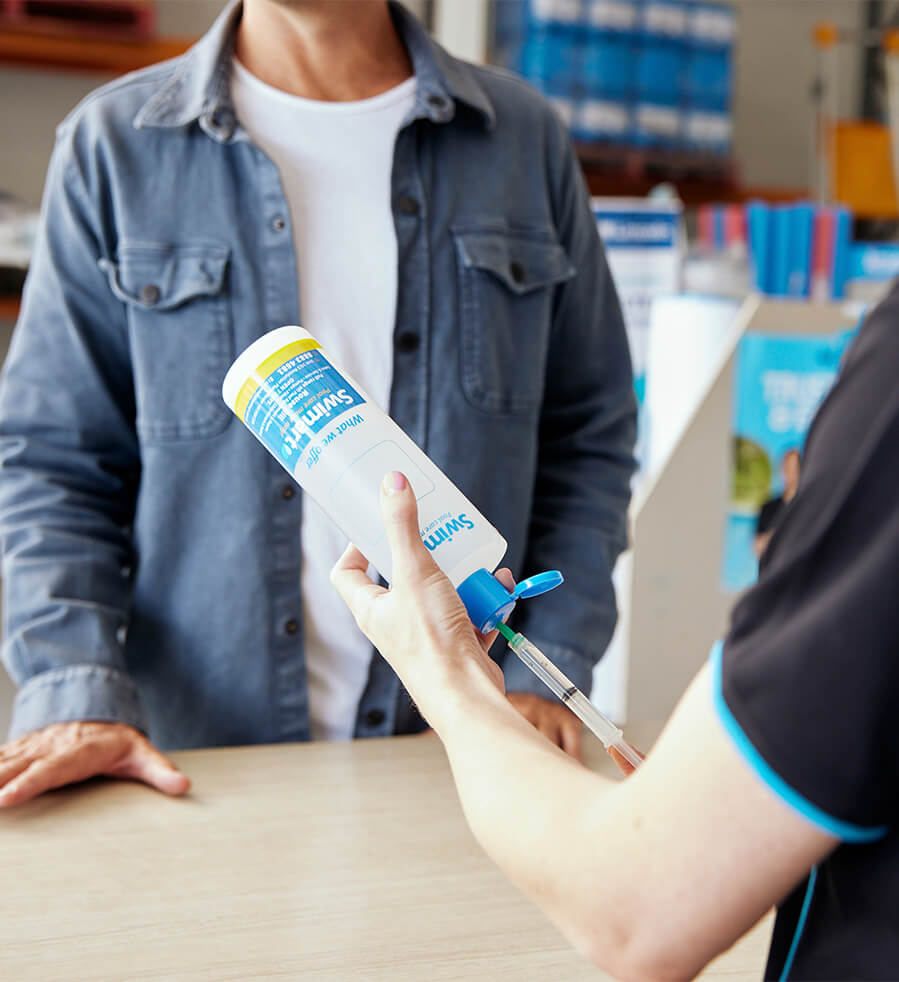
Regular pool water testing protects your health, your equipment, and your budget. Visit your local Swimart store for a free computerised water analysis.
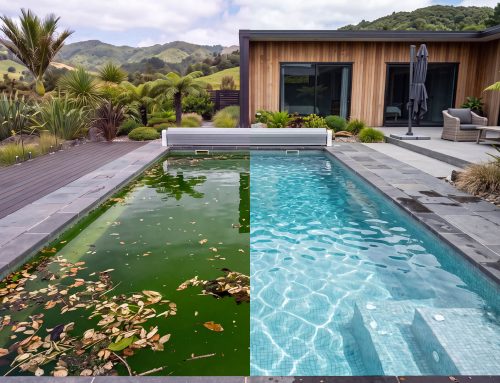
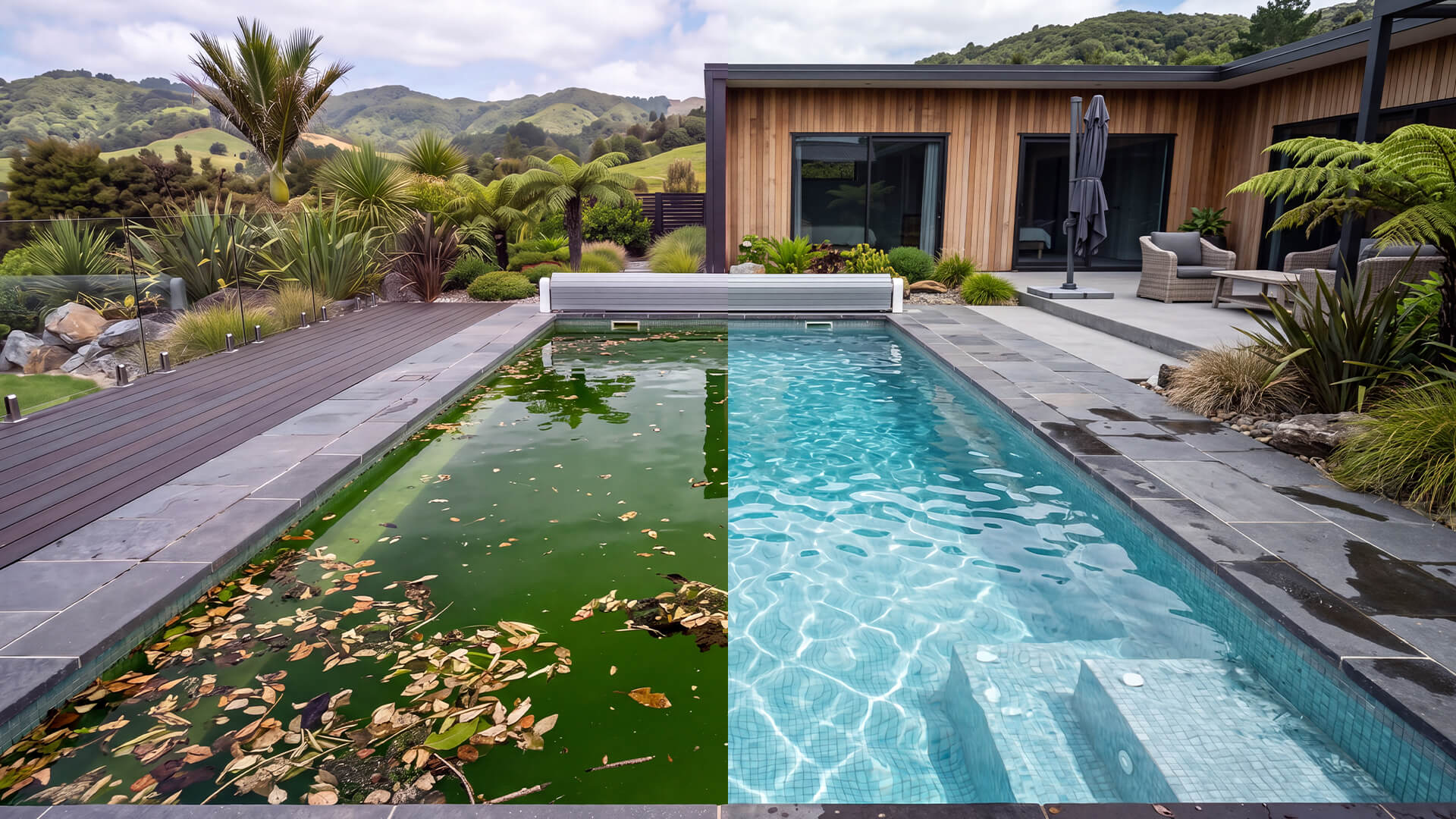
Clear water does not mean safe water. A pool can look perfectly clean and still harbour dangerous bacteria, unbalanced chemistry, or the early stages of an algae bloom. The only way to know what is actually happening in your water is to test it.
Regular pool water testing is the single most effective thing you can do to protect your pool, your equipment, and the people who swim in it. It takes minutes. It costs very little. And it prevents the kind of problems that cost hundreds or thousands of dollars to fix after the fact.

Why Pool Water Testing Is Essential
Pool water chemistry is constantly shifting. Sunlight breaks down chlorine. Rain dilutes your chemical balance. Swimmers introduce oils, sunscreen, and organic matter. Even temperature changes affect how your sanitiser performs.
Four measurements tell you whether your water is in safe, balanced condition:
- pH indicates how acidic or alkaline your water is. The ideal range sits between 7.2 and 7.6.
- Chlorine is your primary sanitiser. It kills bacteria and prevents algae growth.
- Total Alkalinity acts as a buffer for pH, preventing it from swinging erratically.
- Calcium Hardness protects surfaces and equipment from corrosion at low levels and scaling at high levels.
When these four levels sit within range, your pool stays clean, clear, and comfortable. When even one drifts out of balance, the effects compound quickly. Low pH accelerates chlorine consumption. High calcium causes scale deposits. Insufficient chlorine allows bacteria to multiply. These problems rarely announce themselves with a visible change in water colour. By the time you can see the issue, you are already dealing with a recovery rather than a simple correction.
Testing regularly means you catch drift early, correct it with small adjustments, and keep your pool in optimal condition year-round.
Five Benefits of Regular Pool Water Testing
What Happens When You Skip Water Testing
Neglecting water testing does not save time. It borrows it, and you pay it back with interest.
Health Risks
Insufficient sanitisation allows bacteria such as E. coli and Pseudomonas to thrive. These organisms cause ear infections, skin rashes, and gastrointestinal illness. Algae growth creates slippery surfaces that increase the risk of slips and falls around the pool.

Swimmer Discomfort
Imbalanced pH and chlorine levels cause red, stinging eyes, dry and itchy skin, and a strong chemical smell that many people mistake for “too much chlorine” when the opposite is usually true. A properly chlorinated, balanced pool has almost no odour.

Equipment Damage
Corrosive water eats through heat exchangers, pump seals, and chlorinator cells. Scaling water clogs pipes and reduces flow. Both types of damage lead to premature equipment failure and unplanned replacement costs.

Surface Damage
Aggressive water etches plaster and dissolite finishes. Scaling water deposits rough calcium formations on tiles and waterline surfaces. Both are expensive to remediate and preventable with routine testing.

Expensive Recovery Treatments
A pool that has been neglected for weeks or months often requires intensive chemical treatment, multiple filter cleans, and sometimes professional servicing to bring back to safe condition. These costs far exceed what regular testing and minor adjustments would have required.
Why Choose Swimart for Pool Water Testing
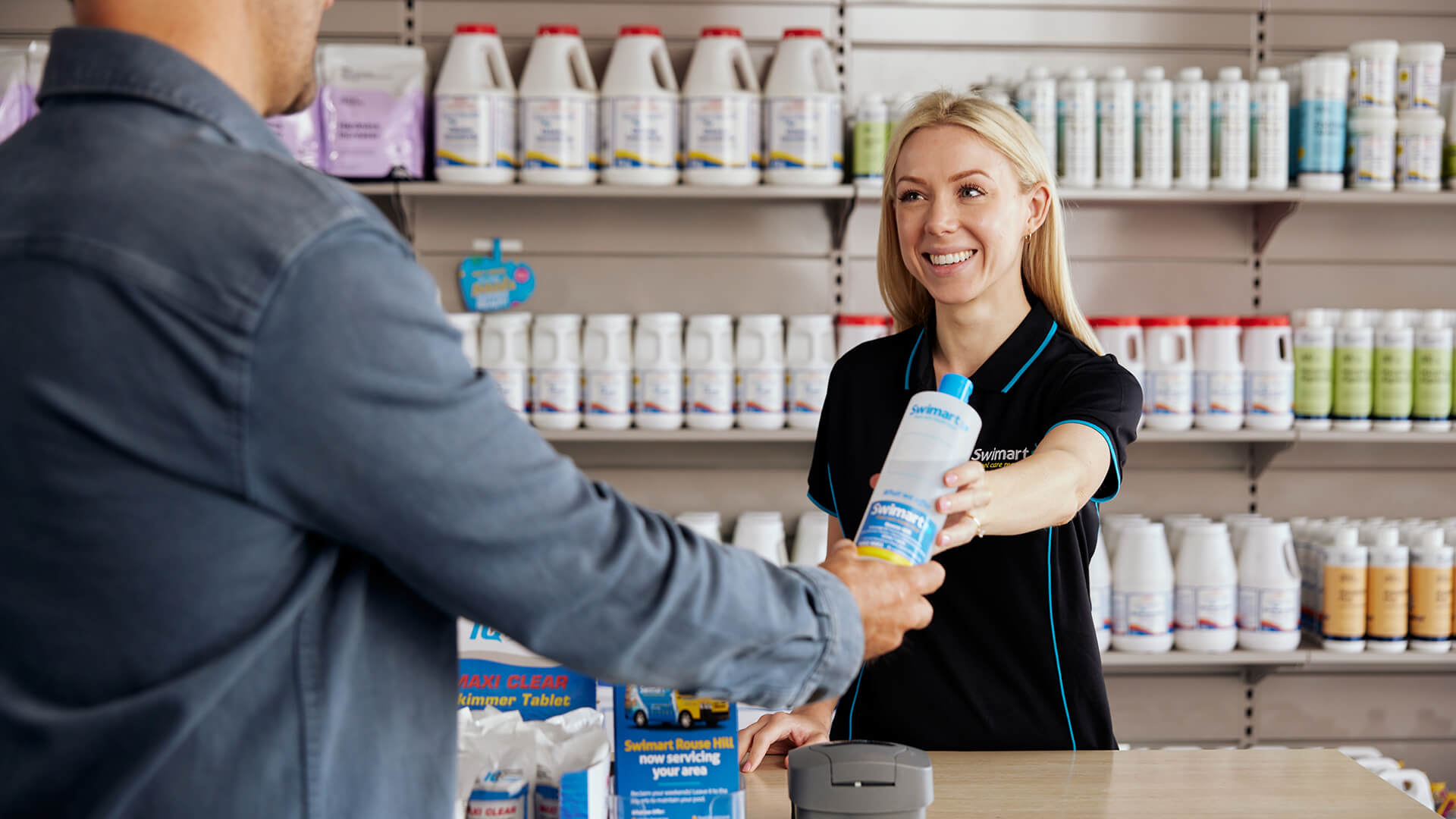
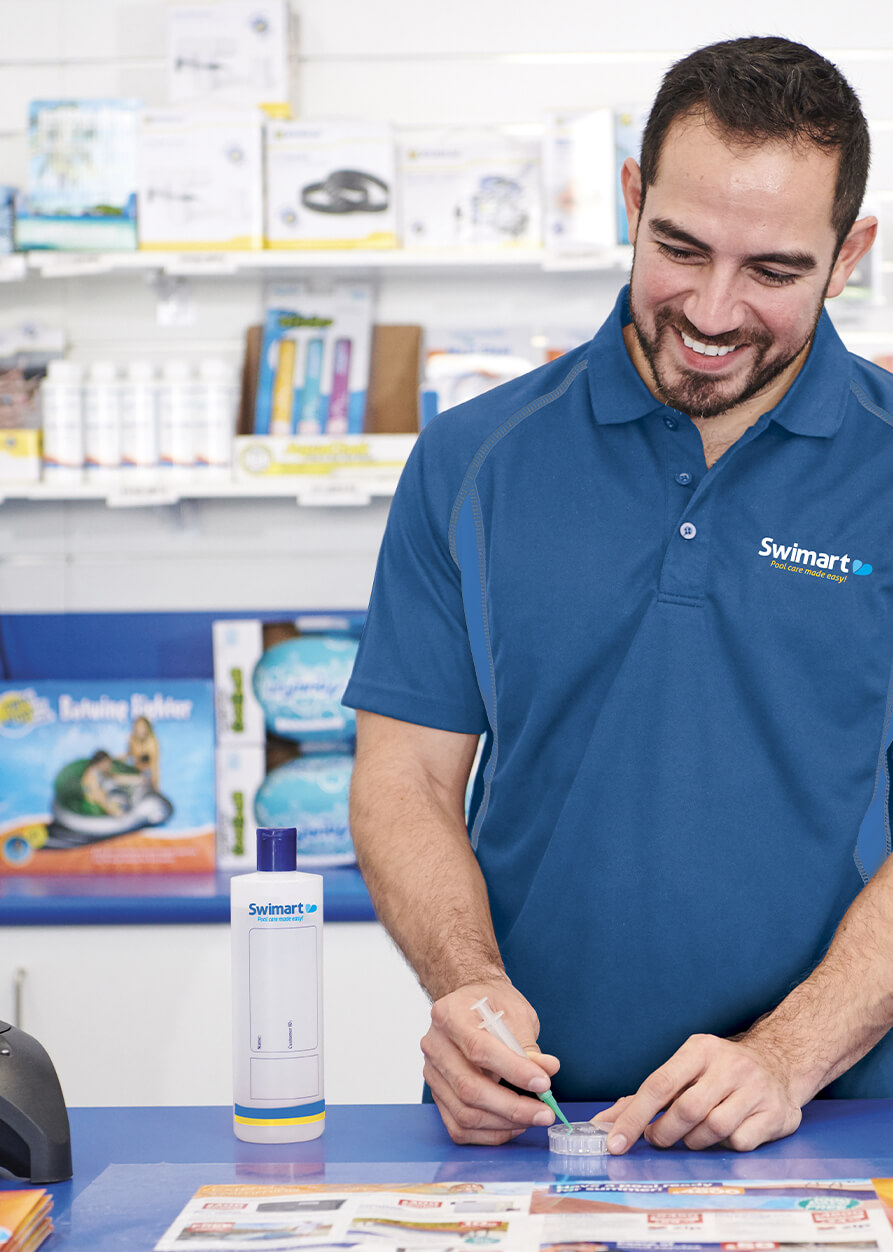
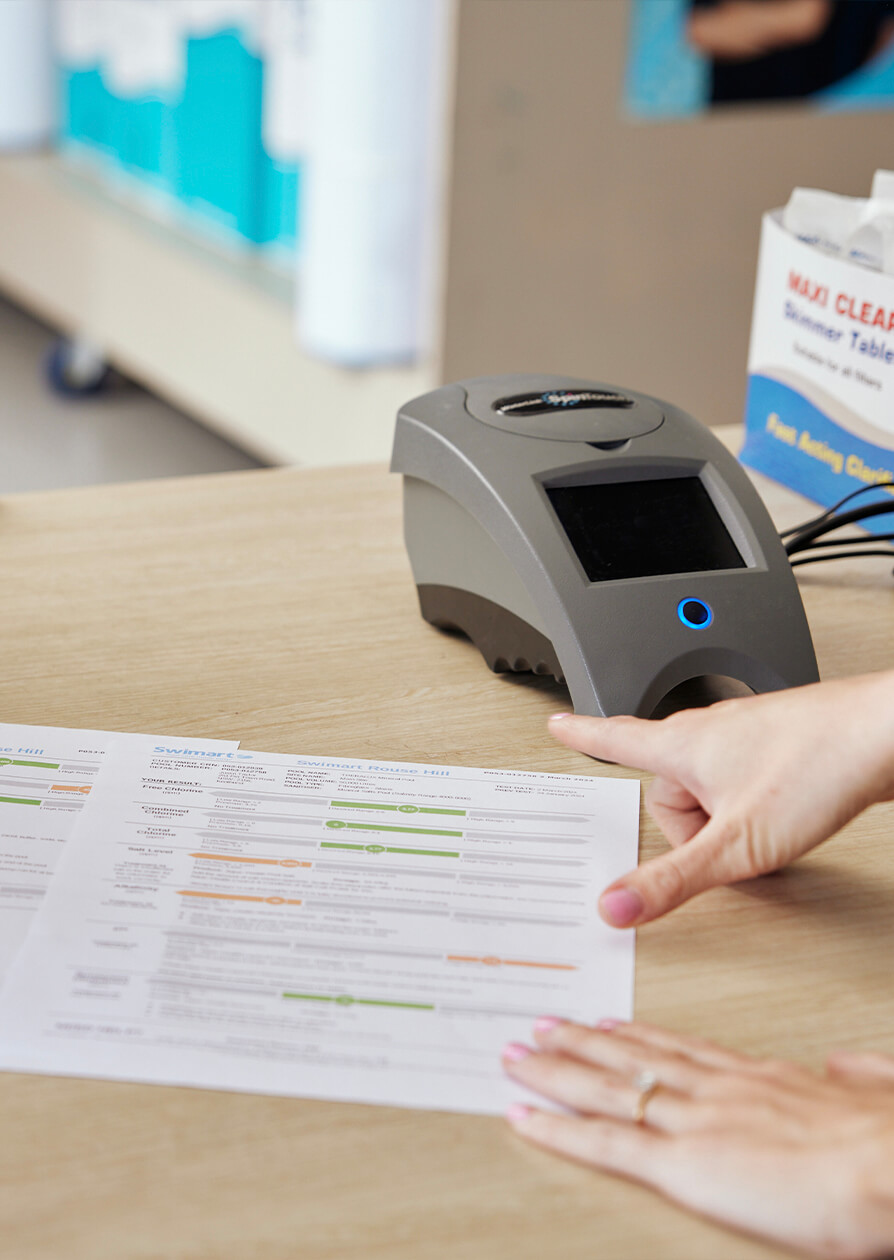
Swimart offers free in-store computerised water testing at every location across Australia and New Zealand. Our system analyses your water sample across multiple parameters and generates a detailed, easy-to-read report within minutes.
Every report includes:
- A complete breakdown of your current water balance
- Clear identification of any parameters outside the recommended range
- Specific product recommendations with exact dosage instructions
- A prioritised action plan so you know what to treat first
Our staff are trained pool care specialists. They do not just hand you a printout. They walk you through the results, explain what each reading means, and help you understand how to keep your water balanced between visits.
Whether you are managing a new pool for the first time or you have owned one for decades, Swimart gives you the expert support to maintain your water with confidence.
Keep Your Pool Healthy All Year Round
Water testing is not a seasonal task. Your pool chemistry shifts throughout the year, from heavy summer use through to the cooler months when reduced circulation and lower temperatures change how your chemicals behave.
Make testing part of your regular routine. Bring a water sample into your nearest Swimart store and let our team give you a clear, accurate picture of your water health. We will provide a personalised treatment plan and the right products to keep your pool in peak condition, every season.